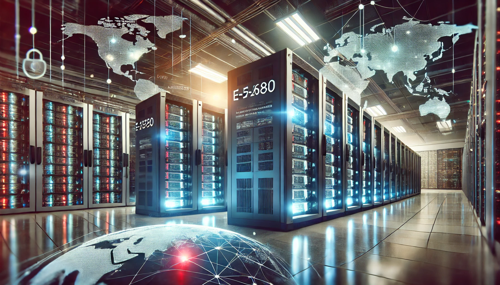
introduction: this article is based on the classic case of a weak current room in germany, and systematically compares the differences in key elements between its design and domestic standards. through structured comparison, it helps engineers and managers take into account compliance and international practices during the planning, construction, and operation and maintenance of computer rooms.
comparison of german weak current room design concepts and domestic standards
german computer rooms emphasize high availability and maintainability, and generally adopt modularity, redundancy and strict testing processes. domestic standards focus on regulatory compliance and cost control, and have been transforming towards internationalization in recent years, but there are still gaps in implementation details and long-term operation and maintenance concepts.
differences between space planning and equipment layout
german cases are usually more conservative in terms of space reservation, equipment access and maintenance corridors to facilitate easy replacement and expansion. domestic designs are often limited by land and cost, and the layout is more compact, requiring refined management to make up for the lack of physical redundancy.
differences in specifications for power and ground systems
in terms of power redundancy, distribution zoning and equipotential grounding, german practice tends to be strict zoning and multi-layer protection, and grounding and lightning protection measures are implemented meticulously. domestic standards have wide coverage, but construction acceptance and long-term testing frequency often need to be strengthened.
comparison of temperature, humidity and environmental control standards
german computer rooms focus on dynamic optimization in temperature and humidity control, air fluid management and energy efficiency design, often with hot and cold aisles and intelligent management systems. domestic standards already have energy efficiency requirements, but there is still room for improvement in fine control and application of energy-saving strategies.
the difference between fire prevention and smoke prevention strategies
the german case emphasizes the combination of passive and active fire protection, including material selection, fire zoning and smoke control strategies. domestic standards have clear regulations on fire protection, but there are obvious differences in implementation in terms of material evaluation, early detection and smoke control linkage.
differences in cabling and cable management requirements
the german weak current room emphasizes wiring specifications, identification and cable path management to facilitate troubleshooting and capacity expansion. domestic wiring standardization is gradually improving, but on-site construction consistency and long-term maintenance identification management still need to be strengthened.
comparison of computer room monitoring and operation and maintenance systems
german cases generally have complete monitoring systems and sla-oriented operation and maintenance processes, and attach great importance to preventive maintenance and data-based decision-making. the domestic operation and maintenance system is transforming from post-response to predictive maintenance, but the maturity of data collection and process varies.
differences between standardization, modularization and testing processes
the german project emphasizes modular delivery and strict factory and on-site testing processes to ensure system integration reliability. domestic standards have relatively complete coverage of test items, but there is room for improvement in test depth, third-party verification and continuous quality management.
summary and suggestions
summary: comparing the classic cases of weak electrical machine rooms in germany with domestic standards, it can be seen that there are clear differences in redundancy design, environmental control, wiring management and operation and maintenance mechanisms. it is recommended that germany's advantages in modularization, testing and operation and maintenance standards be absorbed during project implementation, while combining domestic norms and cost realities to gradually establish a data-driven operation and maintenance and quality assurance system.
- Latest articles
- Popular tags
-
Evaluating The Advantages And Disadvantages Of Contabo’s Data Centers In Germany And The United States From The Perspectives Of Compliance And Data Sovereignty
Evaluate the advantages and disadvantages of Contabo’s data centers in Germany and the United States from the perspectives of compliance and data sovereignty. Compare the legal frameworks, data access, cross-border data transfer, and technical governance to provide recommendations for different business scenarios. -

How To Choose The Appropriate Configuration To Achieve A Cost-effective German Independent Server Hosting Solution
this article systematically introduces how to choose the appropriate configuration to achieve a cost-effective german independent server hosting solution, including key points such as demand assessment, cpu/memory, storage, bandwidth, computer room connectivity, security and scalability. -
Historical Records And Public Events Of The Time When The US Military Entered The German Server
Sort out the historical records and public events of the time when the US military entered the German server, covering Snowden leaks, BND and NSA cooperation, congressional investigations, changes in EU data rules, and legal and regulatory responses in recent years, providing a concise reference for the public and enterprises.